


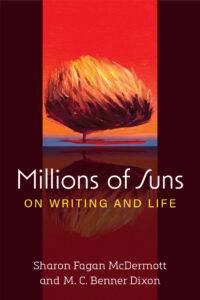
M. Christine Benner Dixon, Ph.D. is an author, editor, and writing coach living in the Squirrel Hill South neighborhood of Pittsburgh, PA. She offers writing services and workshops at ziziastudio.com. Her collection of craft writing essays, Millions of Suns: On Writing and Life, co-authored with Pittsburgh poet Sharon Fagan McDermott, is available now from the University of Michigan Press. Christine’s debut novel, The Height of Land, was awarded the Orison Fiction Prize and will be released by Orison Books in March 2025.

A discussion popped up on one of my authors’ forums: do you need to hire an independent editor before you send your manuscript off to agents or publishers? Some authors had. Most had not. The fact is, there is no writers’ roadmap for this question. So how do you know if hiring someone is right for you? Before you can make that decision, you need to make sure you know what these services actually entail.
Many writers know that editing is a profession, but they’re not sure when editors enter the writing process. They are left asking:
What exactly does an independent editor do? Is an editor the same as a writing coach? If not, what’s the difference? And most importantly: do I need one?
As an author, editor, and writing coach, I feel sufficiently qualified to jump in here. First things first, an easy way to remember the difference between an editor and a coach is that the editor’s primary focus is the text, while the coach’s primary focus is the writer. But there are a few other things to keep in mind:
- Hiring an independent editor or writing coach is 100% optional. Most published authors did not pay for a coach or editor before (or after) getting an agent or a publishing contract. If you opt to purchase writing services on your own dime, that’s great! It can be very helpful. But if someone tells you that you must hire them to have any hope of success as an author, take it as a warning sign that this could be a scam.
- Hiring an editor or writing coach doesn’t guarantee publication or satisfaction. There is no magic formula for getting published. A good editor or coach can help you get your writing into shape, but excellent writing gets overlooked by publishers for all sorts of reasons—timing, budget, market trends, competition, or just bad luck. Even if you’re self-publishing, you could still end up disappointed if you aren’t receptive to your editor’s advice or you don’t find a good match with a writing coach.
So what can an independent editor or writing coach do for you?
Quite a lot, as it happens. Writing services like these are an investment in your craft. The right person can help you hone your writing skills, gain confidence, and become a more purposeful writer. When you’re submitting to agents or publishers, an editor can give your manuscript a professional polish, making it easier for your writing to get noticed.
There are different types of editing and coaching services available to writers, and every person needs a slightly different combination to get where they’re going.
What an independent editor can do for you:
- Developmental or substantive editing is most helpful in the early stages of the project. Let’s say you have a first draft, but you’re unsure where to start with revisions. A developmental editor might find glaring inconsistencies, highlight places where your writing shines and where it flags and explain why, ask about the themes you mean to communicate, and so on. If you’re writing nonfiction, they may push you on your logic, evidence, and argument. If you’re writing fiction, they might focus on character development or plot holes. Essentially, it’s big picture feedback.
- Structural editing looks at the way your writing is organized. Does one idea lead logically to the next? Is there key information that comes too late or too early? Does the pacing sustain the interest of the reader? A structural editor may suggest that you eliminate a section or add more development as needed.
- Copy editing and line editing both focus on the writing at the sentence level. While copy editing is more of an umbrella term that can also include things like fact-checking and other technical errors, it usually includes a sentence-by-sentence review of the text. Line edits can mean rephrasing an awkward sentence, posing clarifying questions, noting shifts in style or tone, eliminating redundancy, addressing contradictions, and suggesting other improvements to the prose.
- Fact checking and reference checking is essential for nonfiction and academic works, but fiction that deals with science, history, or other real-world subjects can benefit from fact checking as well. If you’re hiring an academic editor, check that they are familiar with the style guide preferred by your publisher or institution.
- Proofreading can mean different things depending on who you’re talking to. Informally, proofreading is a simple grammar and mechanics check: commas, typos, subject-verb agreement, and the like. If you are working with a publisher, however, the proofreader is literally the person who checks the “proofs” that have been formatted for publication. In addition to checking the commas and such, proofreaders make sure that there aren’t confusing word- or page-breaks, haphazard font changes, or other formatting issues. If you’re self-publishing, it can be helpful to have someone familiar with the pitfalls of the printed page look over the manuscript before it goes to press.
- Sensitivity reading or authenticity reading employs an editor specifically for the sake of catching offensive stereotypes, inappropriate terminology, misconceptions, or biases related to a specific (usually marginalized) group. If your writing delves into a disability, race, occupation, or other identity marker that you don’t share, it’s important that you get input from at least one person who represents that perspective. I recommend that you bring in a sensitivity reader early on, while there’s still time to adjust your writing in a meaningful way. Shallow fixes to insensitivity rarely remedy the problem.
What a writing coach can do for you:
- Goal setting is one of the most important parts of the coaching process. A writing coach will talk with you about what you want as a writer. Do you want to branch into a new genre? Are you seeking publication? Are you struggling to make time for your writing? Together, you’ll make a plan about how to accomplish your goals.
- Creating structure is essential for many writers. Especially when you’re tackling a book-length project, the complexity can become overwhelming. A coach can help you break down the process into more manageable steps, create a schedule, and check in with you on your progress. If you run into a roadblock on a certain step, your coach can offer resources or brainstorm with you to find a way through.
- Cheerleading may sound like a secondary benefit to coaching, but one of the biggest challenges writers face is self-doubt. A coach stands solidly in your corner; they see the value in what you do and want you to succeed. There’s no point in pretending that our emotions don’t impact our writing. Having cheerleading built into the writing process can mean the difference between quitting and persevering.
- Skillbuilding with a coach may come in the form of personalized writing exercises, recommendations for writing resources, or direct feedback on your writing.
An editor or coach isn’t a requirement for success as a writer, nor is it a guarantee, but if that kind of support is something you are hungry for, it can make all the difference to your writing life.
Can’t I get writing feedback for free?
A paid editor or coach brings a few things to the table that makes them worth their salt (a.k.a. your money). Not everyone has a critique partner or writing group that can really dig into their writing with the careful focus that an editor brings. Sometimes, your peers may hold back with their opinions out of concern for your friendship (or if they’re feeling spiteful, critique too harshly).
Self-editing has its limitations, too. It’s hard to edit your writing with any objectivity when you’ve been immersed in it for weeks, months, or even years. In-house editors hired by your publisher can offer many of the services outlined above, but that requires a publishing contract. If you want someone committed to you in a professional capacity who can offer their expertise before you secure a publishing deal, independent services might fit the bill.
Although some AI editing tools are now available, I generally recommend against using anything beyond spellcheck or grammar check for several reasons. First, an AI editor gives you advice that is, by definition, wholly predictable. AI isn’t going to recognize what makes your writing unique or do much of anything to honor your voice. It will edit your writing to sound like a blend of every other text the AI has sampled.
Aside from the problem of unoriginal prose, using generative AI for your writing can also land you in trouble in terms of copyright, and what else do we writers have besides the right to our own words? Finally, there are the ethical issues. The human authors whose writing trains large language models (the basis for AI) are rarely compensated for their creative contributions. I personally choose not to participate in this system so long as it is predicated on exploiting artists.
How do I find an editor or writing coach?
If you do decide to work with an independent editor or writing coach, the next step is finding one. This can feel overwhelming, and there is a real danger of spending a lot of money on someone who isn’t going to help you much, either because they’re a scam service or because they aren’t a good fit.
A few things to avoid:
- Guarantees of publication
- Publishers who require that you purchase their editing services
- Exorbitant or super cut-rate fees (see the Editorial Freelance Association’s average rates for reference)
The best way to find a writing professional and avoid getting scammed is through personal recommendations. Ask your friends and colleagues who they have used. Ask questions about their experience. There are also a few professional organizations that have tools for searching for an editor or coach, but a listing here does not necessarily mean you’ll get your money’s worth. Do a little research on an individual editor, coach, or company before proceeding.
- Editorial Freelance Association (EFA)
- National Association of Independent Writers and Editors (NAIWE)
Before you sign a contract, you should have a heart-to-heart with your prospective coach or editor to be sure that you’re a good fit. Ask about their rates, their process, their style. Tell them something about yourself and your work. Discuss the kind of services you want and what your goals are.
Once you’re satisfied that this is a person who can help you, it’s time to hire them! It won’t all be easy going from here—growth is always hard work—but it very well may be one of the most rewarding relationships you form as a writer, and it’s worth making that decision carefully.
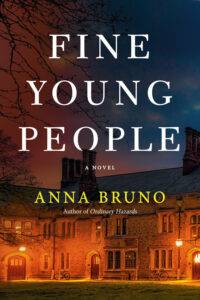
From the Publisher: "In this “smart, irreverent secret history” (Stewart O’Nan) Sewickley set novel by highly praised Pittsburgh native author Anna Read more
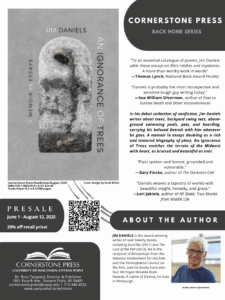
From the Publisher: "In his debut collection of nonfiction, Jim Daniels writes about trees, backyard swing sets, above-ground swimming pools, Read more
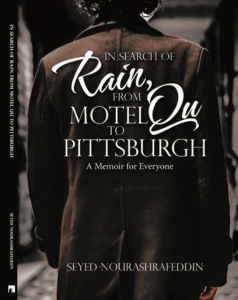
From the Publisher: "Imagine that you are a child who was born in a large family, and during your childhood, Read more

"The City of Pittsburgh, with funding through the American Rescue Plan Act (ARPA), is launching the Support for Artists Grant Read more
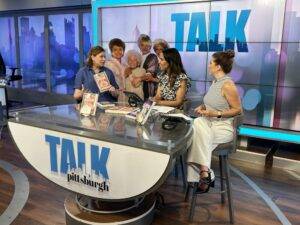
Littsburgh's founder Rachel Ekstrom Courage (now a New York Times and USA Today bestselling author!) recently stopped by KDKA to Read more

"The Drue Heinz Literature Prize recognizes and supports writers of short fiction and makes their work available to readers around Read more
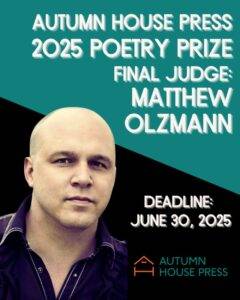
"For the 2025 prize, the Autumn House staff as well as select outsider readers serve as the preliminary readers, and Read more

"Applications are now open for Read Local Eat Local 2025! This is event is on Saturday, September 6, from 11 Read more
"What: This is an annual, alumni-run writers workshop. It features writing-related classes, agent pitch sessions, a book signing, and other Read more

"Calling all plot twisters, world builders, and romance stirrers! Join fellow genre lovers, top-tier agents, sharp-eyed editors, and bestselling authors Read more
PITTSBURGH — Prime Stage Theatre celebrates its 29th season with three world premieres commissioned from three Pittsburgh playwrights: Nov. 7-16, 2025 – Mr. Read more
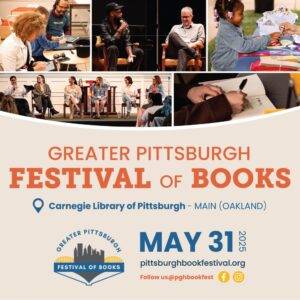
PITTSBURGH, PA – It’s time to book your spot! Registration for the 2025 Greater Pittsburgh Festival of Books is officially Read more
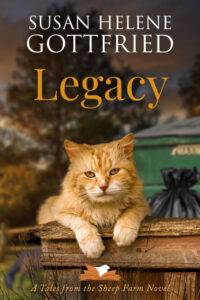
From the Publisher: "The Mackenzies and the Flahertys, two of the founding families of Port Kenneth, TN, have been feuding Read more
"The Northern Appalachia Review welcomes submissions of poetry, fiction, and nonfiction written about, representing, or engaging with the experience of Read more

But this too is true: stories can save us The writer Tim O’Brien calls storytelling an essential human activity. "The Read more
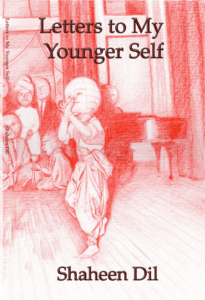
"'Where do you end and I begin?' is the question which haunts Shaheen Dil’s remarkable memoir-in-poems. Dil’s journey is at Read more
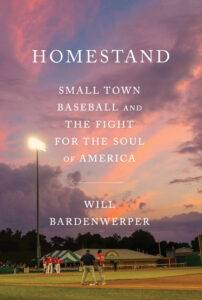
"A poignant memoir exploring small town baseball as a lens into what’s right and wrong with modern America—written by an Read more
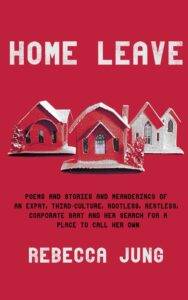
From the Publisher: "In 1958, a midwestern family was uprooted from Canton, Ohio to Bukavu in the Belgian Congo during Read more
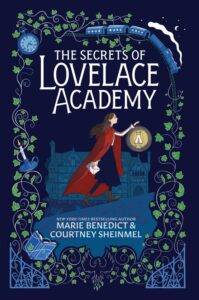
"From New York Times bestselling author Marie Benedict and Courtney Sheinmel comes a historical adventure about a young girl plucked Read more
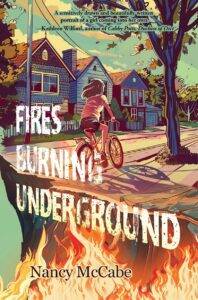
From the Publisher: "It’s Anny’ s first day of middle school and, after years of being homeschooled, her first day Read more
